


Budget-Friendly and Nutritious Affordable Nigerian Meals for Families 2026
In January 2026, Nigerian households are breathing a sigh of relief as food inflation drops to 8.89% year-on-year—the lowest level in over 14 years and the first single-digit reading since May 2015, according to the National Bureau of Statistics (NBS). This sharp moderation from 29.63% in January 2025 stems from declining prices of key staples: locally produced rice fell 10.94% to ₦1,841.83/kg, brown beans plunged 48.65% to ₦1,262.43/kg, while onions and tomatoes also recorded notable drops. Headline inflation eased to 15.10%, extending a ten-month disinflation streak.
While these figures signal easing cost-of-living pressures, many families still feel the pinch from past high prices, regional variations (higher in Kogi and Benue), and non-staple items like crayfish that rose 39.07%. With food remaining the largest household expense, smart meal planning is essential to maintain nutrition without overspending.
This guide shares practical, affordable Nigerian meals for families 2026—nutritious, delicious options using budget-friendly staples like beans, garri, yam, plantain, ugwu, and eggs. These recipes serve 4–6 people, cost under ₦5,000–₦10,000 per meal (depending on market/location), and focus on local, seasonal ingredients. With careful shopping and home cooking, families can cut monthly food bills by 20–40% while enjoying balanced meals rich in carbs, plant protein, vitamins, and minerals.
Why Focus on Affordable Meals in 2026?
Food inflation’s decline creates opportunities: staples are cheaper, allowing families to eat well without compromise. Key drivers include better harvests, improved supply chains, and policy stability. However, volatility persists—crayfish and some proteins remain expensive—so prioritizing beans, eggs, and greens maximizes value.
Benefits of home-cooked affordable Nigerian meals for families 2026:
- Control portions and ingredients for nutrition.
- Reduce waste through batch cooking.
- Save 50–70% vs. eating out or buying ready meals.
- Teach children healthy eating and cultural cooking.
Core Principles for Budget Cooking
- Shop seasonally and locally: Markets offer fresher, cheaper produce than supermarkets.
- Buy in bulk for staples: 25–50kg rice/beans save 20–30%.
- Use affordable proteins: Beans, eggs, mackerel/tilapia over beef.
- Stretch meals: Add veggies to bulk stews; repurpose leftovers.
- Plan weekly: Create a timetable to avoid impulse buys.
- Minimize oil/sugar: Use measured palm oil; natural sweeteners.
1. Beans Porridge (Adalu) with Plantain
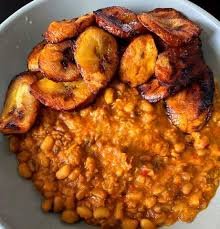
A classic, protein-packed one-pot meal.
Ingredients (family of 6):
- 4 cups brown beans (~₦1,200–1,500)
- 6–8 ripe plantains (~₦800–1,200)
- Palm oil (½ cup), onions, pepper, crayfish/stock cubes (~₦1,000 total)
- Optional: smoked fish (~₦1,500)
Cost: ~₦4,000–5,500
Prep: Soak beans overnight; cook with spices, add sliced plantain near end.
Nutrition: High fiber/protein; plantain adds potassium.
Tip: Make large pot; reheat portions.
2. Okro Soup with Garri/Eba
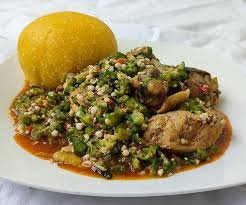
Viscous, nutrient-dense soup loved nationwide.
Ingredients:
- 1–2 kg fresh okro (~₦800–1,500)
- Palm oil, onions, pepper, crayfish, stockfish/ponmo (~₦2,000–3,000)
- Garri for eba (~₦500)
Cost: ~₦4,000–6,000
Method: Grate/blend okro; cook with palm oil base, add proteins.
Why affordable: Okro is cheap/seasonal; garri stretches.
Variation: Add ugu/spinach for vitamins.
3. Yam Pottage (Asaro) with Vegetables
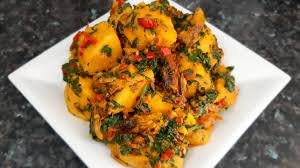
Comforting, filling porridge.
Ingredients:
- Medium yam (~₦2,000–3,000)
- Palm oil, onions, pepper, crayfish (~₦1,000)
- Ugu/ugu leaves (~₦300–500)
Cost: ~₦4,000–5,500
Prep: Peel/cube yam; cook with spices, mash slightly, add greens.
Nutrition: Carbs + vitamins A/C from greens.
4. Moi Moi (Beans Pudding) with Pap/Custard

Steamed bean cake—protein powerhouse.
Ingredients:
- 3–4 cups beans (~₦1,200–1,800)
- Peppers, onions, crayfish, eggs (~₦1,500)
- Pap/custard (~₦500)
Cost: ~₦3,500–5,000
Method: Blend beans; mix, wrap in leaves/foil, steam.
Tip: Make in bulk; freeze extras.
5. Vegetable Stew with Boiled Yam/Plantain
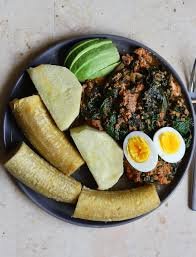
Versatile red stew base.
Ingredients:
- Tomatoes/peppers/onions (~₦1,500–2,500)
- Palm oil, crayfish/stockfish (~₦1,500)
- Ugu/spinach (~₦500)
- Yam/plantain (~₦1,500–2,000)
Cost: ~₦5,000–7,000
Uses: Serve with yam, plantain, rice, or bread.
6. Egusi Soup (Light Version) with Garri
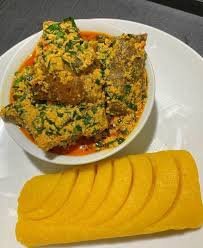
Melon seed soup—stretch with less meat.
Ingredients:
- 1–2 cups egusi (~₦1,500–2,500)
- Palm oil, pepper, ugu (~₦1,500)
- Smoked fish/ponmo (~₦1,500–2,000)
- Garri (~₦500)
Cost: ~₦5,000–8,000
Tip: Use more greens, less protein.
7. Jollof Rice (Budget Version) with Coleslaw
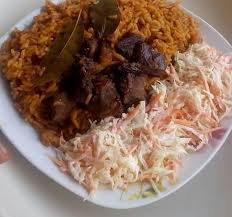
Festive yet affordable.
Ingredients:
- 5–7 cups rice (~₦2,000–3,000)
- Tomatoes/peppers/onions (~₦1,500)
- Palm/veg oil, spices (~₦1,000)
Cost: ₦5,000–7,000
Side: Simple cabbage/carrot slaw (₦500).
8. Akara (Bean Cakes) with Pap
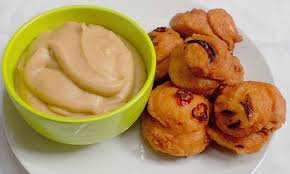
Breakfast/snack favorite.
Ingredients:
- Beans (~₦1,000)
- Peppers/onions (~₦500)
- Oil for frying (~₦500)
- Pap (~₦500)
Cost: ~₦2,500–4,000
Nutrition: Protein-rich start.
9. Spaghetti with Tomato Stew
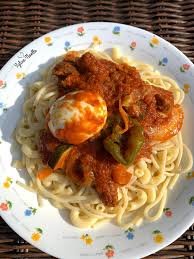
Quick, kid-friendly.
Ingredients:
- Spaghetti (~₦800–1,200)
- Tomatoes/peppers (~₦1,000)
- Fish/eggs (~₦1,500)
Cost: ~₦4,000–6,000
10. Garri Soakings (Eba Alternatives)
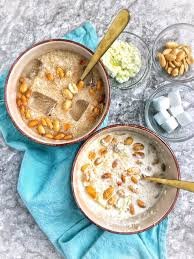
Fast, no-cook options.
Variations: Soak garri with milk/sugar, groundnut, or as eba with soup leftovers.
Cost: Under ₦1,000/meal.
Weekly Meal Timetable Sample
- Monday: Beans porridge + plantain
- Tuesday: Okro soup + eba
- Wednesday: Yam pottage
- Thursday: Moi moi + pap
- Friday: Vegetable stew + yam
- Saturday: Jollof + slaw
- Sunday: Egusi soup + garri
Adjust for budget/availability.
Shopping & Saving Tips
- Markets over supermarkets.
- Bulk staples.
- Seasonal buys.
- Preserve (freeze stews).
- Grow herbs/veggies.
Conclusion
Affordable Nigerian meals for families 2026 leverage cheaper staples to nourish households nutritiously. With food inflation at 8.89%, now is the time to embrace home cooking, planning, and creativity for healthier, happier tables.
Note: Prices used in this article are not fixed and the prices of most items are based on the location, size/quantity, and season. For example a basket of tomatoes is most likely cheaper in Jos than in Lagos. So base on your location do your research to know the market close to you that you can get the best price.
For more articles like this Visit