

Introduction.
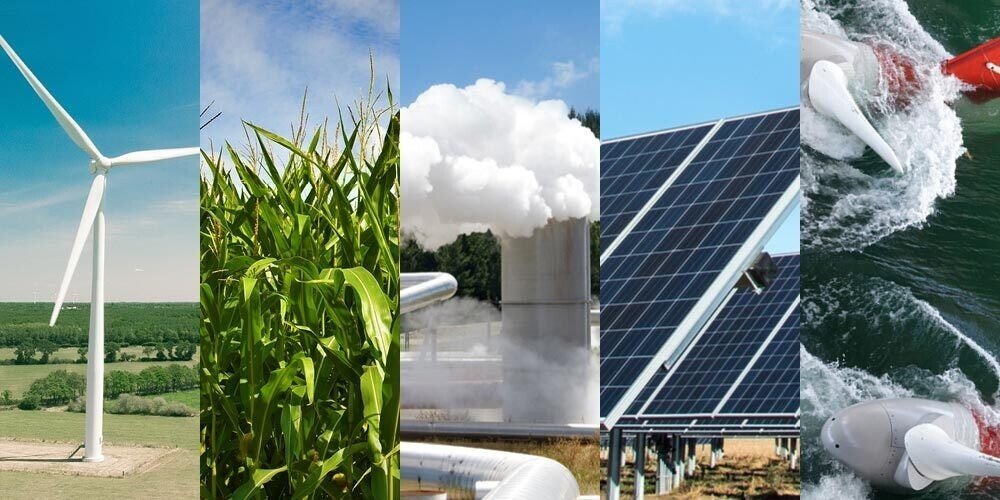
Nigeria, also known as the most populated country Africa,” is a country rich in human capital and cultural variety, as well as a wealth of natural resources that may be replenished and Non renewable. These resources are essential to the nation’s ecology, economy, and citizens’ quality of life. Natural resources that may naturally repopulate over time include woods, water, wind, sunshine, and more. The main renewable natural resources of Nigeria, their localities, and their many applications will all be covered in this article.
1. Solar Energy as Renewable Natural Resources
Location: Nationwide
Nigeria’s proximity to the equator means it receives plenty of sunshine. With an average of 6 to 8 hours of sunshine every day, solar energy is one of the most practical renewable resources in the nation.
Uses
– Electricity Generation: Solar panels are increasingly being used to provide electricity in rural and urban areas, reducing reliance on fossil fuels.
– Agriculture: Solar-powered irrigation systems are helping farmers improve crop yields.
– Household Use: Solar energy is used for heating, cooking, and powering household appliances.
2. Wind Energy as Renewable Natural Resources
Location: Nigeria’s coastal regions (Lagos, Rivers) and northern regions (Sokoto, Kano, Katsina) provide wind energy as another viable renewable resource. Wind farms thrive in the coastal and northern regions because of the steady wind speeds seen there.
Uses:
– Electricity Generation: Wind turbines are used to generate electricity, especially in remote areas.
– Water Pumping: Windmills are employed to pump water for irrigation and domestic use.
– Industrial Applications: Wind energy is being explored for powering small-scale industries.
3. Hydropower as Renewable Natural Resources
Location: Niger River (Kainji Dam, Jebba Dam), Benue River, and Cross River
Because Nigeria is home to several rivers and bodies of water, hydropower is an important renewable energy source. For example, one of the biggest hydroelectric facilities in the nation is the Kainji Dam.
Uses
– Electricity Generation: Hydropower plants provide a substantial portion of Nigeria’s electricity.
– Flood Control: Dams help regulate water flow, reducing the risk of flooding.
– Irrigation: Water from dams is used for agricultural irrigation, supporting food production.
4. Biomass as Renewable Natural Resources
Location: Rural Areas Nationwide
In Nigeria, biomass—which comes from organic resources like wood, agricultural waste, and animal dung—is abundant, particularly in rural regions.
Uses:
– Cooking: Biomass is a primary source of fuel for cooking in many households.
– Electricity Generation: Biogas plants convert organic waste into electricity.
– Fertilizer Production: Compost from biomass is used to enrich soil fertility.
5. Forest Resources as Renewable Natural Resources
Location: Cross River, Ondo, Edo, and Ogun States
Large forest reserves may be found in Nigeria, including the well-known Cross River National Park, which is home to one of Africa’s oldest rainforests.
Uses:
– Timber Production: Forests provide wood for construction, furniture, and paper production.
– Biodiversity Conservation: Forests are habitats for numerous plant and animal species.
– Carbon Sequestration: Trees absorb carbon dioxide, helping to mitigate climate change.
6. Geothermal Energy as Renewable Natural Resources
Location: Ikogosi Warm Springs (Ekiti State) and Yankari Game Reserve (Bauchi State)
In Nigeria, geothermal energy is a potentially renewable resource that is underused. There are geothermal areas and natural hot springs around the nation.
Uses
– Electricity Generation: Geothermal energy can be harnessed to produce electricity.
– Tourism: Hot springs like Ikogosi attract tourists, boosting local economies.
– Heating: Geothermal energy can be used for heating purposes in cold regions.
7. Water Resources as Renewable Natural Resources
Location: Rivers, Lakes, and Groundwater Nationwide
Water is an essential renewable resource in Nigeria because of its vast network of rivers, lakes, and groundwater reservoirs.
Uses:
– Drinking and Domestic Use: Water is essential for drinking, cooking, and sanitation.
– Agriculture: Irrigation systems rely on water resources for crop production.
– Industrial Use: Water is used in manufacturing and energy production.
8. Fisheries and Aquatic Resources as Renewable Natural Resources
8. Fisheries and Aquatic Resources as Renewable Natural Resources
Location: Coastal Areas (Lagos, Rivers, Delta) and Inland Water Bodies (Lake Chad, Niger River)
Fish and other aquatic resources abound in Nigeria’s interior and coastal waterways.
Uses
– Food Supply: Fisheries provide a significant source of protein for the population.
– Livelihoods: Fishing supports the livelihoods of millions of Nigerians.
– Export: Fish and seafood are exported, contributing to the economy.
9. Tidal and Wave Energy Resources as Renewable Natural Resources
Location: Coastal Areas (Lagos, Bayelsa, Akwa Ibom)
There is still research being done on the possibilities for tidal and wave energy along Nigeria’s Atlantic Ocean coastline.
Uses
– Electricity Generation: Tidal and wave energy can be harnessed to produce clean electricity.
– Coastal Protection: Tidal energy projects can help mitigate coastal erosion.
– Research and Development: These resources provide opportunities for innovation in renewable energy technology.
10. Agricultural Resources as Renewable Natural Resources in Nigeria
Location: Nationwide
Crops and animals are renewable resources because of Nigeria’s fertile land, which supports a variety of agricultural activities.
Uses
– Food Production: Crops like cassava, yam, maize, and rice are staples in Nigerian diets.
– Livestock Farming: Cattle, goats, and poultry provide meat, milk, and other products.
– Biofuel Production: Crops like sugarcane and oil palm are used to produce biofuels.
11. Wildlife and Ecotourism as Renewable Natural Resources
Location: Game Reserves and National Parks (Yankari, Gashaka-Gumti, Okomu)
A renewable resource, Nigeria’s varied wildlife draws visitors from all over the world.
Uses:
– Tourism Revenue: National parks and game reserves generate income through tourism.
– Conservation: Wildlife reserves help protect endangered species.
-Education and Research: These areas serve as hubs for ecological studies and environmental education.
12. Clay and Sand as Renewable Natural Resources
Location: Nationwide (Notably in Ogun, Edo, and Kogi States)
Sand and clay are plentiful natural materials that are employed in many different industries.
Uses
– Construction: Clay and sand are essential for building materials like bricks and cement.
– Pottery and Ceramics: Clay is used in traditional pottery and modern ceramic industries.
– Glass Production: Sand is a key ingredient in glass manufacturing.
13. Palm Oil and Other Plant Oils
Location: Southern Nigeria (Akwa Ibom, Delta, Rivers)
In Nigeria, plant-based oils such as palm and coconut oil are important renewable resources.
Uses:
– Cooking: Palm oil is a staple in Nigerian cuisine.
– Cosmetics and Soap Production: Plant oils are used in the production of soaps and beauty products.
– Biofuel: Palm oil is increasingly being used as a feedstock for biodiesel.
14. Bamboo and Rattan as Renewable Natural Resources
Location: Southern and Central Nigeria
Bamboo and rattan are fast-growing plants with numerous applications.
Uses
– Furniture Making: Bamboo and rattan are used to create durable and eco-friendly furniture.
– Construction: Bamboo is used in building and scaffolding.
– Handicrafts: These materials are popular in traditional crafts and art.
Conclusion
Nigeria’s sustainable development is based on the renewable natural resources in Nigeria. These resources, which range from forests, waterways, and agricultural supplies to solar and wind energy, present enormous opportunities for economic expansion, environmental preservation, and enhanced quality of life. However, using these resources calls for community engagement, technological investment, and effective policies. Nigeria may set the path for a more sustainable and prosperous future by emphasizing sustainable practices and renewable energy.
For more Articles Visit
I like this website its a master peace ! Glad I discovered this on google .