

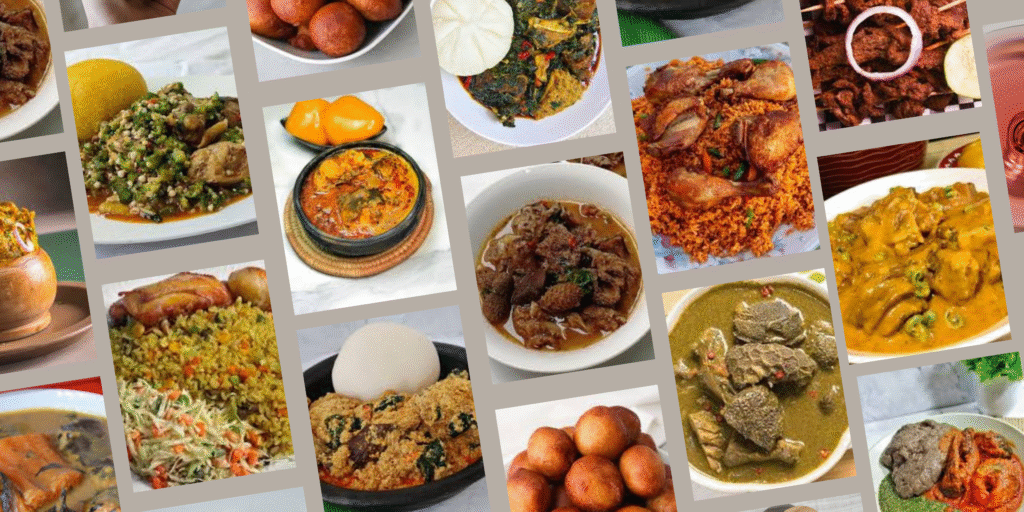
Exploring the Rich Tapestry of Nigerian Cuisines and Delicacies: A Cultural Journey
Nigeria, Africa’s most populous nation, boasts an incredibly diverse culinary landscape shaped by over 250 ethnic groups and regional variations. From the spicy stews of the south to the hearty grains of the north, Nigerian food/cuisines and delicacies reflect centuries of tradition, migration, trade, and adaptation. In 2026, as the country celebrates its cultural heritage amid economic stabilization—with food inflation at historic lows—these dishes remain staples in homes, markets, and festivals, offering nourishment, community, and identity.
This comprehensive guide lists the top 50 unique Nigerian cuisines and delicacies of Nigerian origin, focusing on those deeply rooted in local traditions. Each entry highlights the dish’s name, description, cultural significance, associated tribe or ethnic group, and key locations (towns or cities) where it’s most prominent. Organized by major regions for readability—North, South West, South East, South South, and National—these foods showcase Nigeria’s unity in diversity. For each dish, a detailed 3–5 sentence explanation covers the basic recipe, preferred mode of serving/eating, and typical occasions where it is most enjoyed. Whether you’re a food enthusiast, traveler, or home cook, discovering these Nigerian cuisines and delicacies provides a flavorful window into the nation’s soul.
Many of these dishes use affordable, locally sourced ingredients like yam, cassava, beans, peppers, and palm oil, making them accessible for everyday meals. They emphasize bold flavors from spices, herbs, and fermentation, often prepared communally to strengthen family bonds. As global interest in African cuisine grows, these delicacies are gaining international acclaim, appearing in diaspora restaurants and food festivals worldwide.
Northern Nigerian Food/Cuisines and Delicacies
The northern region, dominated by the Hausa-Fulani and Kanuri tribes, features cuisines influenced by Islamic traditions, arid climates, and pastoral lifestyles. Dishes often incorporate millet, sorghum, beef, and spices, with cities like Kano, Kaduna, and Maiduguri as culinary hubs.
Tuwo Shinkafa

A soft, sticky rice pudding made from local short-grain rice, molded into balls and served with soups. It is a staple for daily meals, symbolizing hospitality. Hausa tribe, Northern Nigeria, prominent in Kano and Kaduna.
The rice is boiled until very soft, then pounded or stirred vigorously until it forms a smooth, dough-like consistency. It is typically molded into small balls or scooped with the hand and dipped into thick soups such as miyan kuka or miyan taushe. This dish is most commonly eaten during family meals, especially lunch and dinner, and is a must-have at naming ceremonies and weddings.
Miyan Kuka
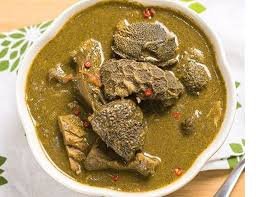
A thick soup from baobab leaves (kuka powder), cooked with dried fish, locust beans, and spices. Nutritious and tangy, it’s a winter favorite for warmth. Hausa tribe, Northern Nigeria, common in Sokoto and Katsina.
Baobab leaf powder is soaked, then cooked in a palm oil base with onions, pepper, dried fish or meat, and locust beans for umami. It is usually served hot with tuwo shinkafa or tuwo masara (corn swallow), eaten by scooping small portions of the swallow with the fingers and dipping into the soup. The dish is especially popular during the harmattan season and at communal gatherings or festive occasions.
Suya
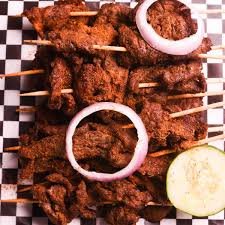
Thin slices of beef marinated in yaji spice mix (peanuts, ginger, cayenne), grilled on skewers. Street food icon, enjoyed as a snack or appetizer. Hausa tribe, Northern Nigeria, originated in Kano, now nationwide.
The meat is marinated overnight in yaji (a blend of ground peanuts, ginger, garlic, and chili), then skewered and grilled over charcoal for a smoky, charred finish. It is served hot, sprinkled with extra yaji and sliced onions, and eaten directly from the stick as a snack or appetizer. Suya is most popular in the evenings at roadside stands and is a favorite during social gatherings, football matches, and late-night hangouts.
Kilishi
Sun-dried, spiced beef jerky, thinly sliced and coated in peanut paste. Long-shelf life makes it ideal for travel. Hausa-Fulani tribe, Northern Nigeria, famous in Abuja and Maiduguri.
Thin beef slices are marinated in spices and peanut paste, then sun-dried for several days until leathery. It is eaten as a ready-to-eat snack, often chewed slowly on its own or paired with drinks. Kilishi is especially common during long journeys, road trips, and as a protein-rich gift during festive seasons like Eid.
Fura da Nono

Fermented millet balls (fura) mixed with fresh cow’s milk (nono). Refreshing yogurt-like drink, probiotic-rich. Fulani tribe, Northern Nigeria, pastoral areas like Zaria and Bauchi.
Millet is fermented, shaped into balls, boiled briefly, then mashed into nono (fermented milk) and sweetened with sugar. It is served chilled or at room temperature in a bowl or cup and drunk directly or with a spoon. This drink is most enjoyed during hot afternoons, after farm work, and at Fulani cultural events or markets.
Kunu Zaki

Sweet millet porridge drink, flavored with ginger and cloves. Hydrating and energizing, sold by street vendors. Hausa tribe, Northern Nigeria, popular in Kaduna and Kano.
Millet grains are soaked, fermented overnight, blended, strained, and sweetened with sugar and spices like ginger. It is served cold in cups or bottles, often drunk as a refreshing beverage. Kunu is commonly consumed during breakfast, hot afternoons, and at social events like naming ceremonies.
Dambun Nama
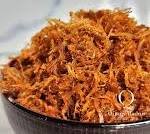
Shredded, spiced dried meat, often beef, mixed with grains. Portable snack for nomads. Hausa tribe, Northern Nigeria, Maiduguri and Yola.
Cooked meat is shredded, mixed with spices and sometimes grains like millet, then dried in the sun or oven. It is eaten as a dry snack on its own or sprinkled over tuwo or rice. Dambun nama is popular during travel, dry seasons, and as a preserved food for long storage.
Miyan Taushe
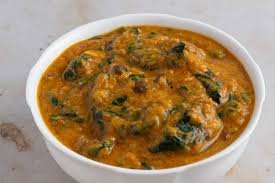
Pumpkin leaf soup with groundnuts, smoked fish, and spices. Creamy and nutritious. Hausa tribe, Northern Nigeria, Sokoto.
Pumpkin leaves are washed, chopped, and cooked in a peanut-based sauce with smoked fish, onions, and pepper. It is served hot with tuwo shinkafa, scooped and dipped by hand. This soup is most enjoyed during rainy seasons and family gatherings.
Gurasa
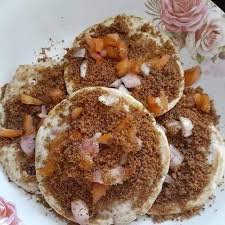
Flatbread baked in clay ovens, similar to naan. Eaten with soups or as a base. Hausa tribe, Northern Nigeria, Kano.
Dough made from wheat flour is kneaded, flattened, and baked in a traditional clay oven until golden and slightly charred. It is torn into pieces by hand and dipped into soups or eaten with stews. Gurasa is commonly consumed during breakfast or as a side at lunch.
Waina
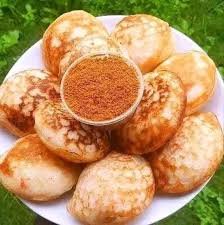
Rice and millet pancake, fried crisp. Breakfast delicacy. Hausa tribe, Northern Nigeria, Katsina.
A fermented batter of rice and millet is poured into small molds and fried until golden and crispy on the outside. It is served hot with spicy sauce, honey, or soup. Waina is most popular as a breakfast or snack item at markets and family meals.
South Western Nigerian Food/Cuisines and Delicacies
The Yoruba tribe dominates the southwest, with cuisines featuring yams, cassava, and bold spices. Lagos, Ibadan, Abeokuta, and Ogun are key centers.
Amala
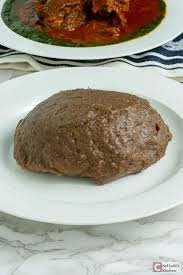
Dark brown swallow from yam flour, smooth and stretchy. Pairs with soups. Yoruba tribe, South West Nigeria, Ibadan and Abeokuta.
Yam flour is stirred into boiling water until it forms a smooth, stretchy dough. It is molded into balls and served hot with ewedu, gbegiri, or efo riro soup, eaten by scooping small pieces with fingers and dipping into the soup. Amala is a daily staple and is especially popular at lunch and dinner.
Ewedu Soup
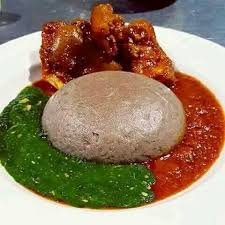
Jute leaf soup, mucilaginous and green, blended smooth. Yoruba tribe, South West Nigeria, Lagos.
Fresh ewedu leaves are boiled briefly, then blended or pounded to release the slimy texture, seasoned with locust beans and iru. It is served hot, often layered with gbegiri and stew in an “amala trio,” and eaten by dipping amala into the soup. This dish is most common for lunch and dinner and is a must at Yoruba celebrations.
Gbegiri Soup
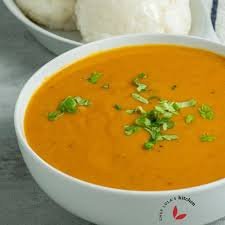
Bean soup, creamy and yellow, often mixed with ewedu. Yoruba tribe, South West Nigeria, Oyo.
Peeled beans are boiled until soft, blended smooth, and cooked with palm oil, crayfish, and spices until creamy. It is served as part of the classic “amala and ewedu set,” layered with ewedu and stew, and eaten with amala. Gbegiri is a lunchtime favorite and is highly valued during festive occasions.
Efo Riro
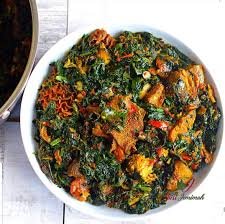
Spinach stew with palm oil, peppers, and proteins. Rich and spicy. Yoruba tribe, South West Nigeria, Lagos.
Blended peppers, tomatoes, and onions are fried in palm oil, then mixed with blanched spinach and assorted meats or fish. It is served hot with rice, yam, plantain, or swallow, and eaten with a spoon or by hand. Efo riro is a versatile dish enjoyed daily and is especially prominent at parties and family gatherings.
Akara
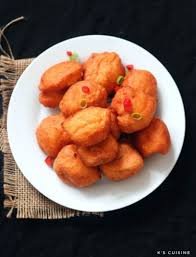
Fried bean cakes, crispy outside, soft inside. Breakfast staple. Yoruba tribe, South West Nigeria, Lagos.
Peeled beans are blended with peppers and onions, whipped until fluffy, and deep-fried into golden balls. It is served hot with pap (ogi), bread, or as a snack on its own. Akara is most popular for breakfast and is a street food favorite at markets and bus stops.
Moin Moin
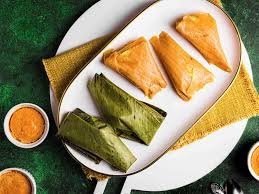
Steamed bean pudding, spiced and wrapped in leaves. Yoruba tribe, South West Nigeria, Ibadan.
Blended beans are mixed with peppers, crayfish, eggs, and oil, then wrapped in banana leaves or foil and steamed until firm. It is served sliced or whole, often as a side with pap, custard, or stew, and eaten with a spoon or fork. Moin moin is a breakfast or lunch item and is a staple at parties and ceremonies.
Ewa Agoyin
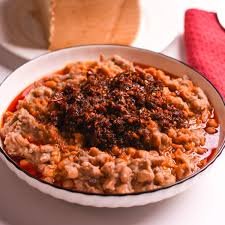
Mashed beans with spicy pepper sauce. Street food. Yoruba tribe, South West Nigeria, Lagos.
Beans are boiled until very soft, mashed, and topped with a fiery palm oil-based pepper sauce. It is served hot in a bowl and eaten with bread, plantain, or on its own. Ewa agoyin is a popular breakfast or late-night street food, especially in Lagos.
Ofada Rice
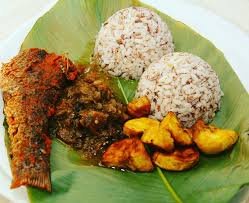
Local unpolished rice with ayamase stew. Earthy flavor. Yoruba tribe, South West Nigeria, Ogun State.
Ofada rice is parboiled and cooked until tender, then served with ayamase (green pepper stew) made from green peppers, locust beans, and assorted meats. It is eaten hot with a spoon or by hand. Ofada rice is a special-occasion dish, popular at parties and family reunions.
Asun
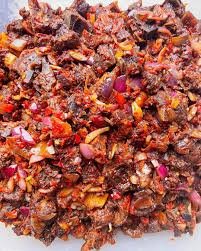
Spicy grilled goat meat, chopped and sauced. Party favorite. Yoruba tribe, South West Nigeria, Abeokuta.
Goat meat is grilled until tender, chopped, and tossed in a spicy pepper sauce with onions. It is served hot as an appetizer or main dish, often eaten with drinks at gatherings. Asun is most common at parties, weddings, and social events.
Adun
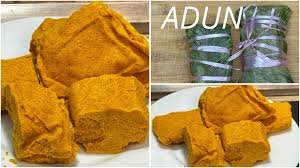
Sweet corn pudding, steamed. Snack. Yoruba tribe, South West Nigeria, Osogbo.
Fresh corn is blended with sugar and steamed in molds until firm. It is served sliced or scooped, eaten as a sweet snack or dessert. Adun is enjoyed during corn season and at family gatherings.
South Eastern Nigerian Food/Cuisines and Delicacies
The Igbo tribe leads the southeast, with palm oil-heavy soups and cassava dishes. Enugu, Onitsha, Owerri, and Aba are hubs.
Ofe Onugbu
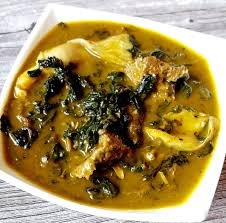
Bitterleaf soup, tangy and thick with cocoyam. Igbo tribe, South East Nigeria, Enugu.
Bitter leaves are washed repeatedly to reduce bitterness, then cooked with cocoyam paste, palm oil, fish, and meats. It is served hot with fufu, pounded yam, or eba, eaten by scooping fufu and dipping into the soup. Ofe onugbu is a daily meal and is especially popular during festive seasons.
Ofe Nsala
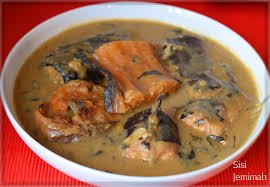
White soup with yam, catfish, no palm oil. Igbo tribe, South East Nigeria, Anambra.
Yam is pounded into a thickener, then cooked with catfish, spices, and herbs in a light broth. It is served hot with pounded yam or fufu, eaten by hand. This soup is most enjoyed during special occasions and when someone is ill, as it is considered medicinal.
Ofe Owerri
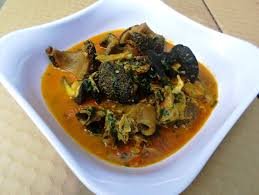
Lavish soup with assorted meats, greens. Igbo tribe, South East Nigeria, Owerri.
Multiple leafy greens, assorted meats, stockfish, and periwinkles are cooked in a rich palm oil base. It is served with fufu or pounded yam and eaten communally. Ofe Owerri is a celebratory dish, most prominent at weddings, burials, and family reunions.
Nkwobi
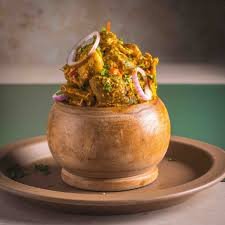
Cow foot in spicy palm oil sauce. Igbo tribe, South East Nigeria, Enugu.
Cow foot is boiled until tender, then mixed with a spicy palm oil sauce, ugba, and onions. It is served in a wooden mortar and eaten with toothpicks or fingers. Nkwobi is a bar and party appetizer, popular in the evenings and at social gatherings.
Ugba
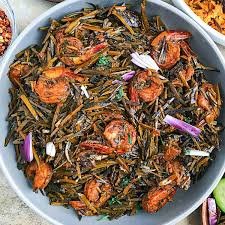
Fermented oil bean salad, mixed with stockfish. Igbo tribe, South East Nigeria, Abia.
Fermented oil beans are sliced and mixed with stockfish, palm oil, spices, and onions. It is served as a side dish or salad, eaten with drinks or fufu. Ugba is most common at traditional ceremonies and family meals.
Okpa
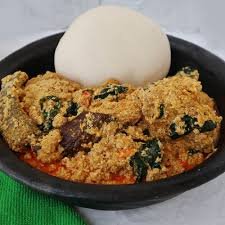
Steamed bambara nut pudding. Igbo tribe, South East Nigeria, Enugu.
Bambara nut flour is mixed with palm oil, spices, and water, wrapped in leaves, and steamed. It is served sliced or whole, eaten as a snack or breakfast. Okpa is a popular street food and breakfast item, especially in eastern markets.
Abacha
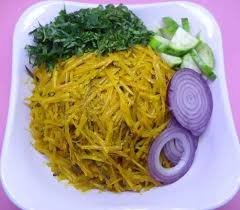
Cassava shreds salad with ugba, fish. Igbo tribe, South East Nigeria, Anambra.
Cassava is soaked, shredded, and mixed with ugba, palm oil, fish, and spices. It is served cold or at room temperature as a salad. Abacha is enjoyed at parties, picnics, and as a refreshing dish.
Isi Ewu
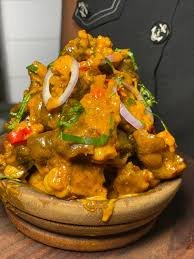
Goat head in spicy sauce. Igbo tribe, South East Nigeria, Onitsha.
Goat head is boiled, chopped, and tossed in a spicy palm oil sauce with onions and utazi leaves. It is served in a mortar and eaten communally with drinks. Isi ewu is a weekend delicacy and bar food, popular among men.
Ukwa
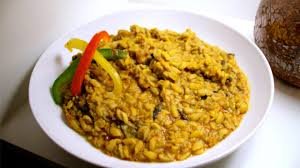
Breadfruit porridge, nutty flavor. Igbo tribe, South East Nigeria, Imo.
Breadfruit is boiled with potash until soft, then mashed into a porridge with spices. It is served hot with fish or meat. Ukwa is a special dish eaten during the breadfruit season and at traditional gatherings.
Oha Soup
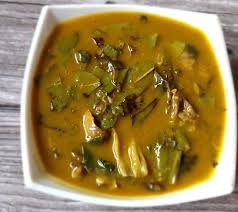
Oha leaves soup, slimy texture. Igbo tribe, South East Nigeria, Owerri.
Oha leaves are shredded and added to a cocoyam-thickened broth with meats and fish. It is served hot with fufu or pounded yam, eaten by hand. Oha soup is a daily meal and is especially popular during rainy seasons.
South Southern Nigerian Food/Cuisines and Delicacies
The Niger Delta region, with Efik, Ibibio, Urhobo, and Ijaw tribes, features seafood-rich dishes. Calabar, Uyo, Warri, and Port Harcourt are centers.
Afang Soup
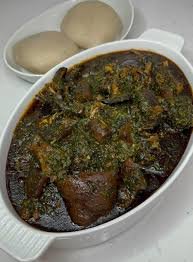
Wild spinach and waterleaf soup with periwinkles. Efik/Ibibio tribe, South South Nigeria, Calabar.
Afang leaves are pounded, mixed with waterleaf, and cooked with palm oil, periwinkles, and assorted meats. It is served hot with fufu or pounded yam, eaten by hand. Afang soup is a delicacy at special occasions and family feasts.
Edikang Ikong
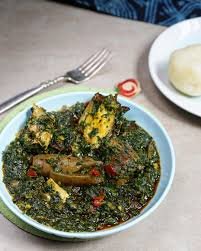
Pumpkin and waterleaf soup, luxurious with meats. Efik tribe, South South Nigeria, Cross River.
Pumpkin and waterleaf are layered with assorted meats, fish, and periwinkles in a rich palm oil base. It is served hot with fufu, eaten communally. Edikang ikong is a celebratory dish, most prominent at weddings and important gatherings.
Banga Soup
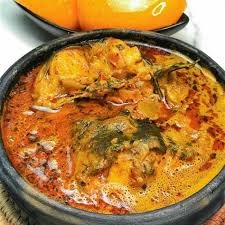
Palm fruit soup with catfish. Urhobo/Delta tribe, South South Nigeria, Warri.
Palm fruit extract is cooked with catfish, spices, and oburunbebe stick for flavor. It is served hot with starch or pounded yam, eaten by hand. Banga soup is a daily meal and a favorite at social events.
Owo Soup
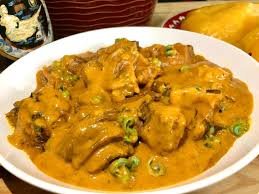
Starch-thickened soup with bushmeat. Urhobo tribe, South South Nigeria, Delta.
Starch is used to thicken a broth with bushmeat, fish, and spices. It is served with starch swallow, eaten by hand. Owo soup is enjoyed during festivals and family gatherings.
Atama Soup
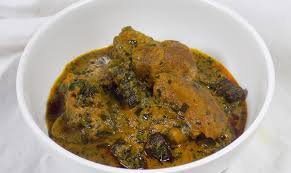
Bush apple leaf soup, bitter-sweet. Ibibio tribe, South South Nigeria, Akwa Ibom.
Atama leaves are cooked with palm oil, fish, and meats in a light broth. It is served hot with fufu, eaten by hand. Atama soup is most popular at traditional ceremonies.
Ekpang Nkukwo
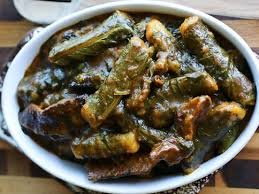
Cocoyam and waterleaf pudding, wrapped. Efik tribe, South South Nigeria, Calabar.
Grated cocoyam is mixed with waterleaf and wrapped in cocoyam leaves, then steamed. It is served sliced, eaten as a main dish. Ekpang nkukwo is a festive delicacy, especially at Christmas and weddings.
Fisherman Soup
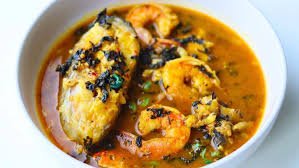
Fresh seafood soup, spicy. Ijaw tribe, South South Nigeria, Port Harcourt.
Assorted fresh seafood is cooked in a peppery broth with spices. It is served hot with starch or rice, eaten with a spoon or hand. Fisherman soup is popular among fishermen and at coastal gatherings.
Pepper Soup (Seafood)
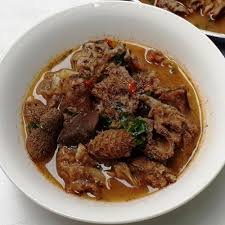
Spicy broth with fresh fish. South South Nigeria, Rivers.
Fresh fish is simmered with spices, peppers, and herbs in a light broth. It is served hot as a starter or main dish, drunk or eaten with a spoon. Pepper soup is enjoyed at bars, parties, and as a remedy for colds.
Bole
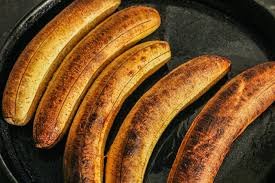
Roasted plantain with fish sauce. Ijaw/Urhobo tribe, South South Nigeria, Port Harcourt.
Ripe plantains are roasted over open fire until charred, served with spicy fish sauce. It is eaten hot as a street snack. Bole is a popular evening snack and is most enjoyed at social hangouts.
Starch and Banga
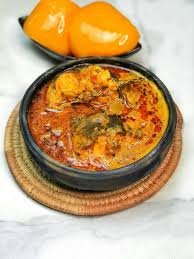
Cassava starch with palm soup. Urhobo tribe, South South Nigeria, Warri.
Cassava starch is molded into a swallow and served with banga soup. It is eaten by hand, scooping starch and dipping into the soup. This combination is a staple meal and is popular at family dinners.
National Nigerian Food/Cuisines and Delicacies
These dishes transcend tribes, enjoyed across Nigeria, often with regional twists. Found in major cities like Abuja, Lagos, and nationwide.
Pepper Soup
Spicy meat/fish broth, medicinal. National, various tribes.
Meat or fish is simmered with spices, peppers, and herbs in a light broth. It is served hot in bowls, drunk as soup or eaten with a spoon. Pepper soup is enjoyed at social gatherings, bars, and as a remedy for colds.
Jollof Rice
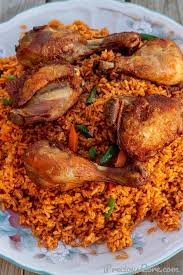
Tomato rice, party staple. National, Yoruba/Igbo/Hausa origins.
Rice is cooked in a rich tomato-pepper-onion stew with spices and proteins. It is served hot with coleslaw, plantain, or protein sides, eaten with a spoon. Jollof rice is the star of parties, weddings, and festive occasions.
Egusi Soup
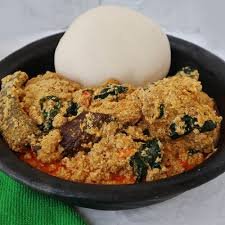
Melon seed soup, thick. National, Igbo/Yoruba.
Ground egusi seeds are cooked with palm oil, leafy greens, and assorted meats. It is served hot with fufu, pounded yam, or eba, eaten by hand. Egusi soup is a daily meal and a favorite at gatherings.
Okro Soup
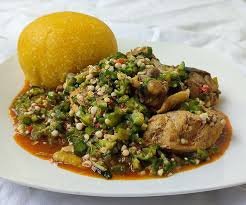
Slimy draw soup. National, various.
Fresh okro is chopped or blended and cooked with palm oil, fish, and spices. It is served hot with swallow, eaten by dipping. Okro soup is enjoyed daily and is popular during rainy seasons.
Fried Rice
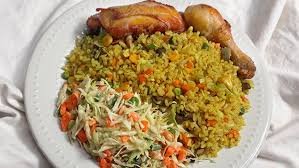
Stir-fried rice with veggies. National, urban.
Parboiled rice is stir-fried with mixed vegetables, meats, and spices. It is served hot as a main dish, eaten with a spoon. Fried rice is a party favorite and common at events.
Puff Puff

Fried dough balls, sweet. National.
Dough made from flour, sugar, and yeast is deep-fried into golden balls. It is served hot as a snack, eaten with fingers. Puff puff is popular at parties and as street food.
Chin Chin

Crunchy fried snacks. National.
Dough is cut into small pieces and deep-fried until crispy. It is served as a snack or dessert, eaten by hand. Chin chin is a common party favor and gift.
Zobo

Hibiscus tea drink. National, Hausa origin.
Hibiscus leaves are boiled with ginger, pineapple, and sugar. It is served chilled or warm in cups, drunk as a beverage. Zobo is enjoyed daily and at social events.
Kuli Kuli
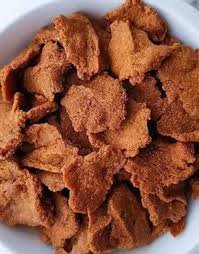
Peanut cake snack. National, Hausa.
Ground peanuts are shaped into rings or balls and fried. It is eaten as a snack on its own or with porridge. Kuli kuli is popular as a street snack and during festivals.
Plantain Chips
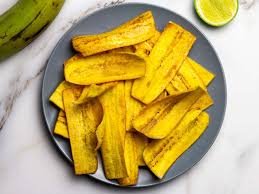
Fried plantain slices. National.
Unripe plantains are thinly sliced and deep-fried until crisp. It is served as a snack, often seasoned with salt or spices. Plantain chips are enjoyed as a quick snack and party treat.
Cultural Significance and Modern Adaptations
Nigerian cuisines and delicacies are more than food—they’re cultural anchors. Festivals like New Yam (Igbo) or Argungu Fishing (Hausa) highlight dishes. In 2026, fusion trends blend tradition with global flavors, like jollof pasta or vegan egusi.
Health benefits abound: High in fiber, vitamins from greens; protein from beans/seeds. Sustainability: Local sourcing reduces carbon footprint.
To try: Visit markets in listed cities or cook at home. These 50 represent Nigeria’s flavorful heritage.
If there are others not listed in this article you can write them in the comment section.
For more articles like this Visit