

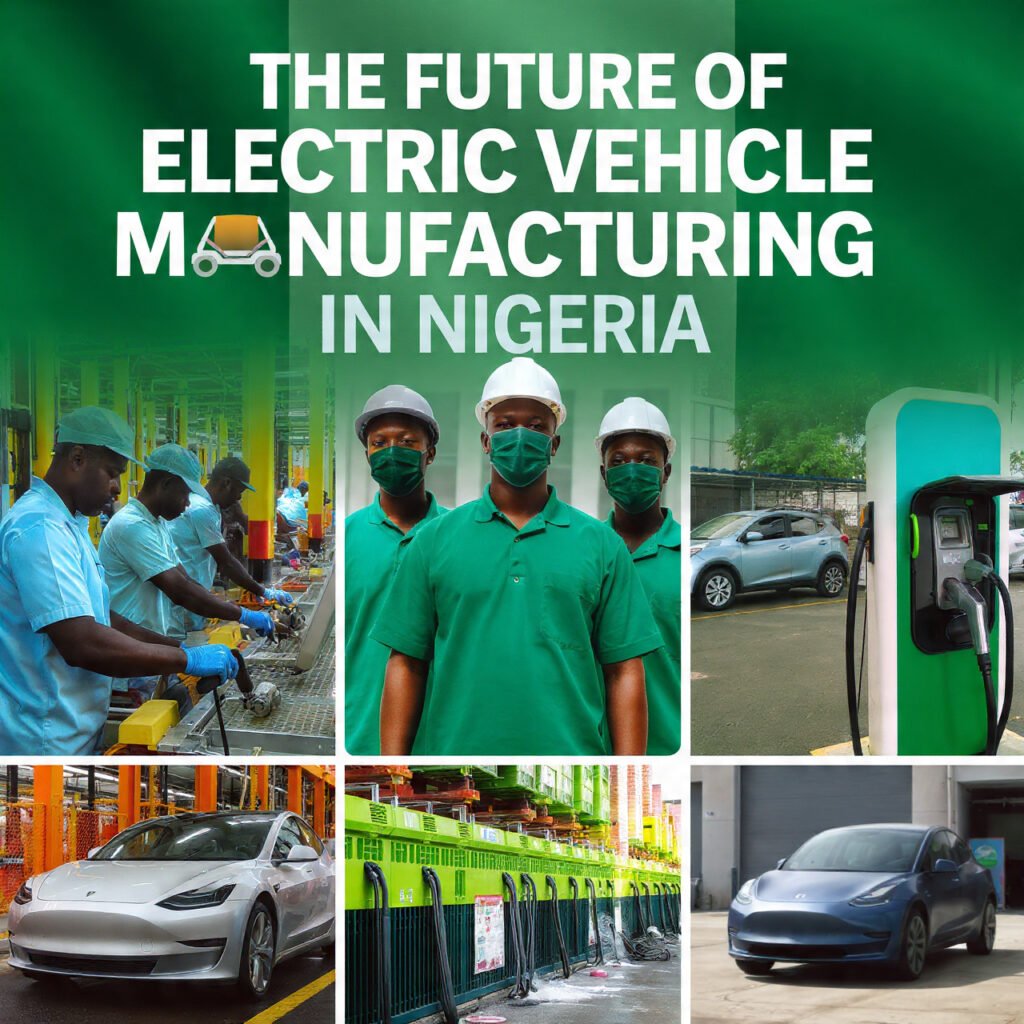
The Future of Electric Vehicle Manufacturing in Nigeria: Brands to Watch in 2026 and Beyond
Nigeria stands at the threshold of a major transformation in its automotive sector. In 2026, electric vehicle (EV) manufacturing is no longer a distant dream but a rapidly emerging reality. Driven by rising fuel costs, government incentives, the Electric Vehicle Transition and Green Mobility Bill, and international partnerships, the country is positioning itself as a potential leader in green mobility across Africa.This comprehensive guide explores the future of electric vehicle manufacturing in Nigeria. It highlights key government policies, major local and international brands leading the charge, investment opportunities, challenges, and what the next 5–10 years hold for EVs in Africa’s largest economy. Whether you are an investor, entrepreneur, policymaker, or potential buyer, this article provides clear, practical insights into one of Nigeria’s most promising emerging industries.
Government Policies Driving EV Manufacturing in 2026
The Nigerian government has rolled out several bold initiatives to accelerate EV adoption and local manufacturing:
- The Electric Vehicle Transition and Green Mobility Bill 2025 provides tax holidays, import duty waivers, and incentives for local assembly.
- Partnerships with South Korea aim to establish large-scale EV plants with annual capacity of up to 300,000 vehicles.
- Import duty waivers on EVs and critical components, plus pioneer status for qualifying manufacturers.
- Requirements for local content (targeting 30% by 2030) to encourage technology transfer and job creation.
These policies are attracting both global giants and local innovators, setting the stage for significant growth in 2026 and beyond.
Leading and Emerging EV Brands to Watch in Nigeria 2026
1. SAGLEV Electromobility
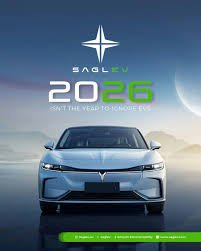
SAGLEV is currently one of the most advanced EV manufacturers in Nigeria.
The company operates a dedicated assembly plant in Imota, Ikorodu, Lagos — recognized as one of the first full EV assembly plants in Sub-Saharan Africa.
It produces electric sedans, SUVs, and commercial vans, with models like the M-Hero 917 gaining attention.
Why to Watch: Strong government recognition and focus on both passenger and commercial EVs.
Investment Angle: High potential for expansion in mass transit solutions.
2. Innoson Vehicle Manufacturing (IVM)
Nigeria’s pioneering indigenous automaker has entered the EV space with determination.
Its main plant is in Nnewi, Anambra State.
IVM is developing electric versions of its popular models alongside traditional vehicles.
Why to Watch: Strong brand trust, local expertise, and ability to produce vehicles suited to Nigerian conditions.
Investment Angle: Perfect for investors seeking authentic “Made in Nigeria” EV solutions.
3. Spiro (Equitane Group)
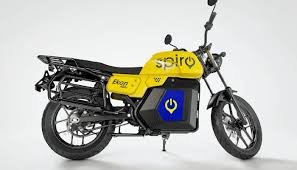
Spiro is a major player, especially in electric two-wheelers and three-wheelers.
It operates a large assembly facility in Ogun State with capacity for up to 100,000 units annually.
The company uses a vertically integrated model including battery swapping infrastructure.
Why to Watch: Dominant in the commercial motorcycle and tricycle segment, which is huge in Nigerian cities.
Investment Angle: Battery swapping networks and last-mile delivery solutions.
4. BYD Nigeria
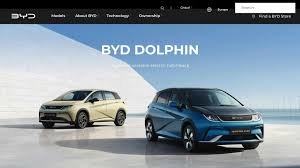
Global EV leader BYD is making serious inroads into Nigeria.
The company has launched models like the Atto 3, Song Plus, and Shark through local partners.
Plans for local assembly and battery production are advancing rapidly.
Why to Watch: World-class Blade Battery technology and aggressive expansion strategy.
Investment Angle: Dealerships, charging infrastructure, and potential manufacturing partnerships.
5. Jet Motor Company
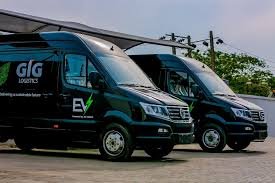
Jet Motor focuses on commercial electric vehicles, including buses and vans.
Its facility is located along the Lekki-Epe Expressway in Lagos.
Why to Watch: Strong emphasis on solving urban mass transit challenges with electric solutions.
Investment Angle: Fleet electrification opportunities.
6. NEV Electric
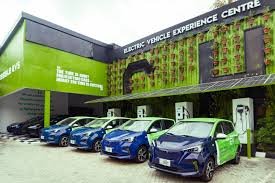
NEV Electric is building an integrated EV ecosystem including manufacturing, charging, and financing.
Why to Watch: Comprehensive approach beyond just vehicle production.
Investment Angle: Charging infrastructure and financing models.
7. Stallion Motors / Hyundai & Other Partners
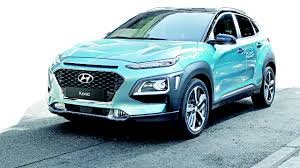
Stallion has unveiled Nigeria’s first locally assembled electric car (Hyundai Kona) and continues to expand EV offerings.
Why to Watch: Strong existing infrastructure and dealer network.Other notable mentions include CIG Motors (GAC), Roxette Motors, and several Chinese partnerships exploring CKD assembly.
Investment Opportunities in Nigeria’s EV Sector 2026–2030
- Vehicle Assembly Plants — Huge incentives for new facilities.
- Battery Manufacturing & Recycling — Critical gap with massive potential.
- Charging Infrastructure — Still underdeveloped nationwide.
- Dealership & Distribution Networks — Especially for new brands.
- Fleet Electrification — Commercial motorcycles, tricycles, buses, and taxis.
- Renewable Energy Integration — Solar-powered charging stations.
The government offers tax holidays, duty waivers, and pioneer status to qualified investors.
Challenges Facing EV Manufacturing in Nigeria
- Inadequate and unreliable power supply
- Limited charging infrastructure
- High initial cost of EVs compared to petrol vehicles
- Consumer awareness and range anxiety
- Skills gap in EV technology and maintenance
However, these challenges also represent opportunities for forward-thinking investors and entrepreneurs.
The Road Ahead: What to Expect by 2030
By 2030, experts predict Nigeria could have multiple functional EV assembly plants, a growing network of charging stations in major cities, and thousands of locally produced electric motorcycles and commercial vehicles on the roads. The combination of policy support, falling battery prices globally, and rising petrol costs will accelerate adoption.Nigeria has the potential to become one of Africa’s leading EV manufacturing hubs if stakeholders act decisively in the coming years.
Conclusion
The future of electric vehicle manufacturing in Nigeria is bright and full of promise. From indigenous pioneers like Innoson, SAGLEV, and Spiro to global players like BYD and Hyundai, a new ecosystem is taking shape in 2026. The brands that invest early in local assembly, after-sales service, and charging infrastructure will dominate the market.For entrepreneurs and investors, this is one of the most exciting sectors to enter right now. For everyday Nigerians, the shift to electric mobility promises lower running costs and cleaner air in the years ahead.The EV revolution in Nigeria has officially begun. The question is no longer if it will happen — but who will lead it and who will benefit the most.Which EV brand or opportunity interests you the most? Are you planning to invest, buy an EV, or start a related business? Share your thoughts in the comments!
For more like this Article Visit