

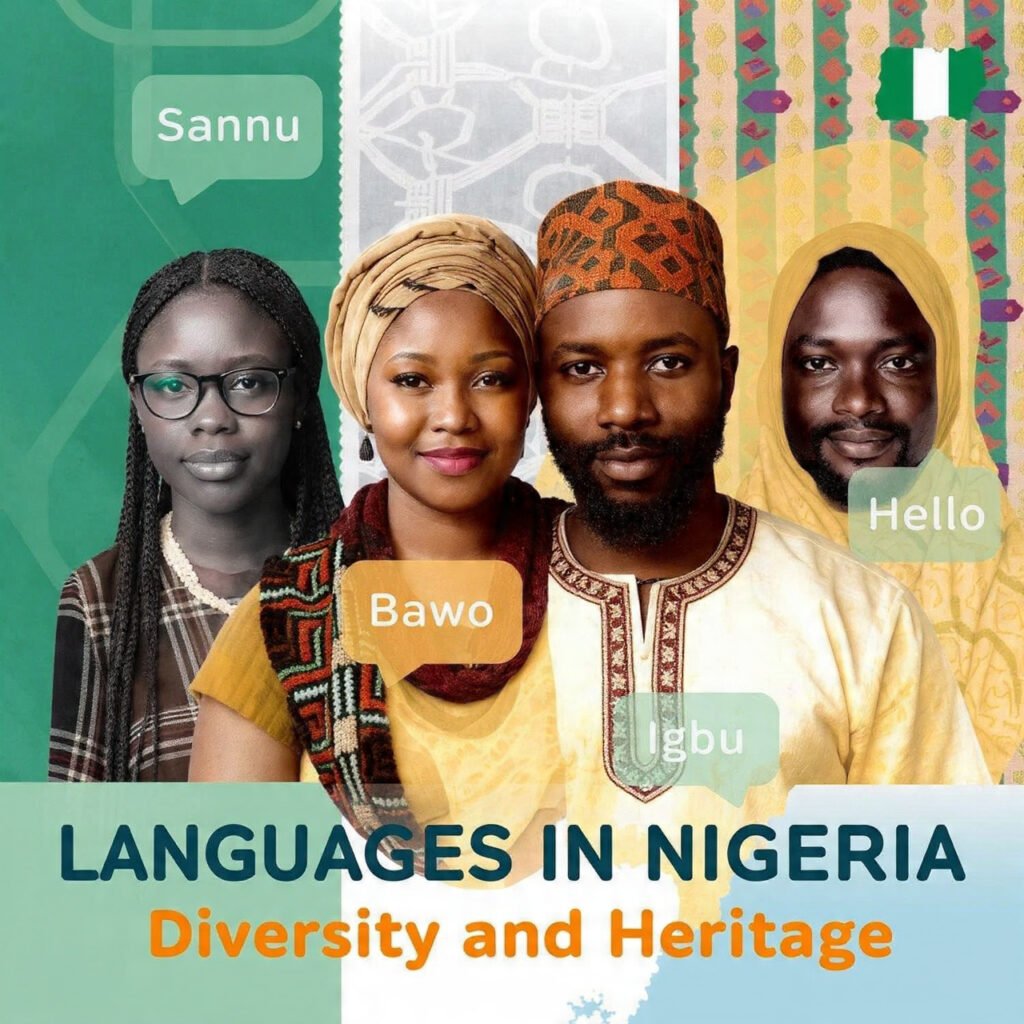
Known Languages in Nigeria: A Comprehensive Guide to Over 520 Indigenous Languages and Their Speakers in 2026
Nigeria stands as one of the most linguistically diverse countries on the planet, with over 520 living languages spoken across its 36 states and the Federal Capital Territory. This remarkable diversity is a testament to the country’s rich ethnic mosaic, ancient migration patterns, trade routes, and historical kingdoms. From the Hausa-speaking plains of the North to the dense rainforests of the South and the riverine communities of the Niger Delta, each region contributes its own unique linguistic heritage.This extensive guide explores known languages in Nigeria in exceptional detail. It covers the three major languages, important regional languages, minority languages, language families, word examples, and current preservation efforts. Whether you are a student, researcher, linguist, cultural enthusiast, or traveler, this article offers one of the most thorough overviews of Nigeria’s linguistic wealth.
The Three Major Languages of Nigeria
1. Hausa
Speakers: Over 63 million (first and second language speakers)
Ethnic Group: Primarily the Hausa people, widely used as a lingua franca by Fulani and many northern groups.
Location: Northern Nigeria — Kano, Katsina, Kaduna, Sokoto, Zamfara, Jigawa, Bauchi, Gombe, Yobe, Borno, Kebbi, and parts of Adamawa, Plateau, and Nasarawa states.
Significance: Hausa is a major West African trade language. It thrives in media, politics, commerce, and Islamic scholarship.
Word Examples: Sannu (Hello), Na gode (Thank you), Gida (House).
2. Yoruba
Speakers: Over 47 million
Ethnic Group: Yoruba people
Location: Southwest Nigeria — Lagos, Ogun, Oyo, Osun, Ondo, Ekiti, and parts of Kwara and Kogi states.
Significance: Rich literary tradition, proverbs, and strong presence in music (Afrobeats), religion, and business.
Word Examples: E kaaro (Good morning), O se (Thank you), Ile (House).
3. Igbo
Speakers: Over 33 million
Ethnic Group: Igbo people
Location: Southeast Nigeria — Abia, Anambra, Ebonyi, Enugu, Imo, and parts of Delta and Rivers states.
Significance: Emphasizes enterprise, education, and community values. Features many dialects.
Word Examples: Ndewo (Hello), Daalu (Thank you), Ulo (House).
4. Nigerian Pidgin (Naija)
Speakers: Over 100 million (widely understood)
Location: Nationwide, especially urban centers.
Significance: The most practical lingua franca for inter-ethnic communication, popular culture, comedy, and social media.
4. Nigerian Pidgin (Naija)
- Fulfulde (Fula/Fulani) – Adamawa, Taraba, Bauchi, Gombe, Borno, Yobe, Sokoto, Kebbi
- Kanuri – Borno and Yobe states
- Shuwa Arabic – Borno and Yobe
- Bade – Yobe State
- Ngizim – Yobe State
- Bole – Bauchi and Yobe
- Karekare – Yobe State
- Ngamo – Yobe and Bauchi
- Dangaleat – Yobe State
- Mubi – Adamawa State
- Guduf – Borno State
- Mandara – Borno and Adamawa
- Hausa (dominant lingua franca)
Southwestern Languages (Yoruboid Group)
- Yoruba (main)
- Itsekiri – Delta State
- Igbomina – Kwara State
- Ijesa – Osun State
- Ekiti – Ekiti State
- Ijebu – Ogun State
- Egba – Ogun State
- Awori – Lagos and Ogun
- Ife – Osun State
- Oyo – Oyo State
- Ondo – Ondo State
- Ibarapa – Oyo State
- Igbomina – Kwara State
Southeastern Languages (Igboid Group)
- Igbo (main)
- Ika – Delta State
- Ukwuani – Delta State
- Ekpeye – Rivers State
- Ogba – Rivers State
- Ikwerre – Rivers State
- Echie – Rivers State
- Ndoni – Rivers State
- Owerri – Imo State
- Onitsha – Anambra State
- Ngwa – Abia State
- Aro – Abia State
South-South and Niger Delta Languages
- Ijaw (Izon) – Bayelsa, Rivers, Delta
- Kalabari – Rivers State
- Nembe – Bayelsa State
- Bonny – Rivers State
- Efik – Cross River State
- Ibibio – Akwa Ibom State
- Anaang – Akwa Ibom State
- Urhobo – Delta State
- Isoko – Delta State
- Itsekiri – Delta State
- Esan – Edo State
- Bini (Edo) – Edo State
- Afemai – Edo State
- Etsako – Edo State
- Owan – Edo State
- Ogoni cluster (Khana, Gokana, Eleme, Tai) – Rivers State
- Odual – Rivers State
- Abua – Rivers State
- Degema – Rivers State
- Engenni – Rivers State
- Ogbia – Bayelsa State
Middle Belt Languages (Nigeria’s Most Linguistically Diverse Zone)
- Tiv – Benue, Taraba, Nasarawa
- Idoma – Benue State
- Igala – Kogi State
- Ebira (Igbirra) – Kogi and Nasarawa
- Gbagyi (Gwari) – Niger, Kaduna, FCT
- Berom – Plateau State
- Eggon – Nasarawa State
- Mada – Nasarawa State
- Atyap (Kataf) – Kaduna State
- Bajju – Kaduna State
- Nupe – Niger and Kwara states
- Gwari – Niger State
- Koro – Niger and Kaduna
- Pyem – Plateau State
- Rukuba – Plateau State
- Aten (Ganawuri) – Plateau State
- Birom – Plateau State
- Afizere (Jarawa) – Plateau and Bauchi
- Ron – Plateau State
- Kulere – Plateau State
- Montol – Plateau State
- Bassa – Multiple states
- Bassa-Nge – Kogi State
- Etuno – Kogi State
North-East and Adamawa Languages
- Mambila – Taraba State
- Chamba – Taraba State
- Mumuye – Taraba and Adamawa
- Waja – Gombe State
- Tula – Gombe State
- Longuda – Adamawa State
- Bura / Pabir – Borno State
- Margi – Borno and Adamawa
- Kilba (Hoba) – Adamawa State
- Gude – Adamawa State
- Bacama – Adamawa State
- Bata – Adamawa State
- Kamwe (Higi) – Adamawa and Borno
- Sukur – Adamawa State
Other Notable Languages
- Jukun – Taraba and Benue
- Kutep – Taraba State
- Kambari – Niger and Kebbi
- Dukawa – Kebbi State
- Gwandara – Kaduna and Niger
- Kamwe – Adamawa
- Kakanda – Niger State
- Gbayi – Niger State
- Ogoni languages – Rivers State
- Abua – Rivers State
- Odual – Rivers State
- Degema – Rivers State
- Engenni – Rivers State
- Ogbia – Bayelsa State
Language Families in Nigeria
- Niger-Congo (largest family) — Includes Yoruba, Igbo, Ijaw, Tiv, Bini, etc.
- Afro-Asiatic — Hausa, Bole, Bade, Shuwa Arabic, etc.
- Nilo-Saharan — Kanuri and related languages.
Preservation Efforts in 2026
Many minority languages face extinction risks. Organizations such as SIL International, the Nigerian Language Development Centre, universities, and local cultural groups are actively documenting languages through dictionaries, audio recordings, apps, and school programs. Social media and Nollywood also help keep smaller languages alive.
Conclusion
Nigeria’s known languages represent one of its greatest cultural treasures. With over 520 languages spoken by more than 250 ethnic groups, the country is a living museum of human linguistic diversity. While Hausa, Yoruba, and Igbo dominate nationally, the hundreds of other languages add incredible richness and complexity to the Nigerian identity. Preserving this linguistic heritage while promoting national unity remains both a challenge and an opportunity. Every Nigerian language carries unique wisdom, history, and worldview that deserves recognition and protection. The linguistic diversity of Nigeria is not a problem to be solved — it is a national strength to be celebrated. Which Nigerian language is your mother tongue or the one you find most fascinating? Share your thoughts and experiences in the comments below!
For more like this Article Visit