

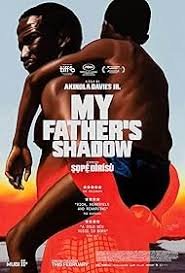
My Father’s Shadow AMVCA 2026: 5 Wins, Best Movie & Why It Redefined Nollywood Storytelling
The Film That Owned the Night and Redefined African StorytellingIn a night filled with glamour, surprises, and heartfelt tributes at the 12th Africa Magic Viewers’ Choice Awards (AMVCA 2026), one film stood tall above the competition. My Father’s Shadow didn’t just win awards — it swept the ceremony, claiming five major trophies including the prestigious Best Movie. Held on May 9, 2026, at Eko Hotels & Suites in Lagos, the event celebrated the best of African cinema, but My Father’s Shadow emerged as the undisputed champion, outshining commercial heavyweights and proving that authentic, deeply personal storytelling still reigns supreme.
This victory wasn’t just about statuettes. It marked a defining moment for Nollywood and African filmmaking at large. Directed by British-Nigerian talent Akinola Davies Jr. in his feature debut, the semi-autobiographical drama blended intimate family drama with Nigeria’s turbulent political history. Its AMVCA dominance signals a new era where cinematic excellence, emotional depth, and cultural authenticity take centre stage.
The Historic Sweep: How My Father’s Shadow Owned AMVCA 2026
When the winners were announced, jaws dropped across the auditorium and social media exploded. My Father’s Shadow walked away with:
- Best Movie (producers Funmbi Ogunbanwo and Rachel Dargavel)
- Best Director – Akinola Davies Jr.
- Best Writing in a Movie – Wale Davies (co-written with Akinola Davies Jr.)
- Best Score/Music – Duval Timothy and CJ Mirra
- Best Sound Design – Pius Fatoke and CJ Mirra
That’s five wins from seven nominations — more than any other film that night. Heavy contenders like Gingerrr, The Herd, To Kill a Monkey, and Colours of Fire impressed in categories such as acting and costume design, but My Father’s Shadow captured the technical and narrative heart of the awards.
In his acceptance speech for Best Director, Akinola Davies Jr. expressed genuine surprise and gratitude: “Thank you so much… the cast and crew of My Father’s Shadow — they are the real stars of the film.” The moment underscored the collaborative spirit behind this triumph. Producers later used the platform to call for greater investment in homegrown Nigerian stories, echoing a recurring theme at the ceremony.
The win felt poetic. Just months after its landmark Cannes premiere and international accolades, My Father’s Shadow returned home to claim Africa’s biggest film prize. It wasn’t merely a victory for one production — it was validation for a bolder, more introspective Nollywood.
The Making of a Masterpiece: From Personal Pain to Cinematic Gold
My Father’s Shadow is more than a movie; it’s a labour of love rooted in real-life loss. Akinola Davies Jr. and his brother Wale Davies drew from their own childhood after losing their father at a young age. The film imagines what a single, transformative day with him might have felt like.Set against the backdrop of Nigeria’s 1993 presidential election crisis — when the military annulled the results of the historic vote won by MKO Abiola — the story follows two young brothers, Akin (Godwin Chiemerie Egbo) and Remi (Chibuike Marvellous Egbo), as they join their estranged father, Folarin (Ṣọpẹ́ Dìrísù), on a journey from their rural home to bustling Lagos.
What begins as a simple errand to collect overdue wages becomes an unforgettable odyssey. The trio hitchhikes, explores the city’s streets, shares street food, swims at the beach, and navigates military checkpoints. Amid laughter and bonding, subtle tensions emerge: Folarin’s unexplained nosebleeds, his hidden affair, and the growing political unrest that threatens to upend everything. The day culminates in chaos and a heartbreaking revelation that reshapes the boys’ understanding of their father forever. en.wikipedia.org
Cinematography and other Details.
Shot on 16mm film by cinematographer Jermaine Edwards, the visuals carry a textured, nostalgic grain that feels both intimate and epic. Lagos comes alive not as a generic backdrop but as a living character — vibrant, chaotic, and full of possibility. The real-life brothers playing Akin and Remi bring natural chemistry that’s impossible to fake, while Ṣọpẹ́ Dìrísù delivers a commanding, layered performance as the complex Folarin. Budgeted at approximately $3.4 million, the production involved international partners like Element Pictures, BBC Film, and the BFI, yet it remained fiercely Nigerian at its core. Principal photography took place on location in Lagos over six-and-a-half weeks, capturing authentic Pidgin English, Yoruba dialogue, and everyday cultural details that resonate deeply with African audiences.
Themes That Transcend Borders: Family, Grief, and National Memory
What makes My Father’s Shadow so powerful is its seamless weave of the personal and the political. On one level, it’s a tender coming-of-age tale about brotherhood, masculinity, and the ache of absent fathers. The boys’ playful banter, moments of wonder at the amusement park, and quiet lessons about fraternal love feel universal. Yet layered beneath is Nigeria’s collective trauma. The 1993 election annulment wasn’t just history — it shattered hopes for democracy and ushered in further instability. By grounding the story in this moment, the film explores how political forces ripple through ordinary families. Folarin’s quiet activism and financial struggles mirror the quiet resilience of countless Nigerians. Critics have praised this balance. The New Yorker called it “intensely — yet obliquely — personal,” while The Guardian and Variety hailed its emotional sophistication. On Rotten Tomatoes, it boasts a 98% approval rating, with the consensus noting how it “weaves high-stakes political commentary with rich personal dynamics.” Metacritic scores it at 85/100 for “universal acclaim.”
en.wikipedia.org
The film also confronts grief head-on. The Davies brothers have spoken openly about imagining the experiences they never had with their father, who died from an epileptic seizure when they were toddlers. That raw honesty infuses every frame, turning potential sentimentality into something profound and restrained.
Technical Brilliance: Why the Awards Came Pouring In
AMVCA voters didn’t just reward the story — they celebrated the craft. The score by Duval Timothy and CJ Mirra pulses with subtle emotion, blending traditional sounds with contemporary minimalism to heighten tension without overwhelming the intimacy. Sound design by Pius Fatoke and CJ Mirra creates an immersive Lagos soundscape — from minibus engines to distant military sirens — that earned its own trophy.Direction from Akinola Davies Jr. is assured and poetic. Long, contemplative shots allow moments to breathe, while the editing by Omar Guzmán Castro maintains a dreamlike flow that mirrors childhood memory. These elements combined to make My Father’s Shadow feel like a complete cinematic experience rather than a commercial product.Its pre-AMVCA journey only added weight. As the first Nigerian film selected for Cannes’ official Un Certain Regard section in nearly 80 years, it earned a Caméra d’Or Special Mention. Subsequent wins included the Gotham Breakthrough Director Award, BAFTA Outstanding Debut, and India’s Silver Peacock Special Jury Award. It even served as the UK’s submission for the Oscars’ Best International Feature (though it didn’t advance to nomination).
en.wikipedia.org
Bringing that global pedigree back to Lagos for AMVCA felt like full-circle validation.
Redefining African Storytelling: A New Chapter for Nollywood
For years, Nollywood has thrived on high-volume, crowd-pleasing content that dominates streaming charts and box offices. Films like Gingerrr and The Herd excel in that space — and rightly earned recognition at AMVCA 2026. Yet My Father’s Shadow proves there’s room, and demand, for something deeper.It challenges the notion that African stories must be either purely commercial or overly didactic. Instead, it offers nuance: flawed characters, unresolved emotions, and history told through human eyes rather than lectures.
By prioritising authenticity over spectacle, it elevates the entire industry.Producer Funmbi Ogunbanwo’s post-win comments resonated widely: greater local investment could unlock even more stories like this. The film’s modest box office of around $1 million (relative to its budget) versus its critical and awards success highlights a gap that needs closing — one the AMVCA sweep may help bridge.Social media lit up with pride. Nigerians celebrated not just the wins but the representation of their lived realities on screen. Young filmmakers posted that My Father’s Shadow inspired them to tell bolder tales. International observers noted how it positions Nollywood as a serious arthouse contender alongside global peers.In many ways, this victory redefines what “African storytelling” means in 2026: rooted in culture, ambitious in scope, and unafraid of complexity.
Looking Ahead: Legacy and Inspiration
My Father’s Shadow isn’t just the film of the night — it’s a beacon for the future. Its success opens doors for more co-productions, festival entries, and nuanced narratives. As Nollywood continues evolving, stories that honour both personal truth and national memory will likely lead the way.For audiences, the film offers more than entertainment. It invites reflection on family bonds strained by absence, societies shaped by politics, and the shadows our parents cast — even after they’re gone.If you haven’t seen it yet, stream or catch it in cinemas. My Father’s Shadow isn’t just award-worthy; it’s essential viewing that lingers long after the credits roll.The 12th AMVCA will be remembered as the night a quiet, personal drama roared loudest. In sweeping five awards and capturing hearts worldwide, My Father’s Shadow didn’t just own the evening — it reshaped the conversation about what great African cinema can be.
For more like this Article Visit