

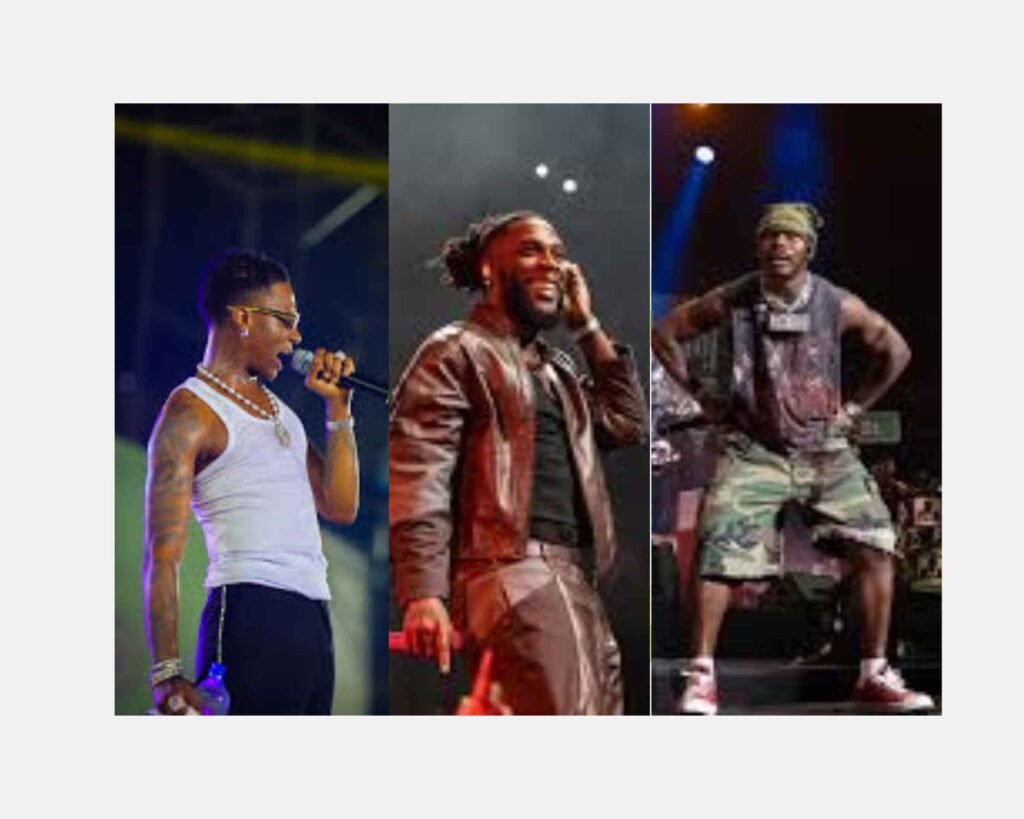
Nigerian music has emerged as one of the most dynamic forces shaping contemporary global culture. And understanding the Impact of Nigerian Music on Global Culture from the rhythmic beats echoing in Lagos streets to packed arenas in London, New York, and Tokyo, is necessary because the impact of Nigerian music on global culture is undeniable. It transcends entertainment, influencing fashion, dance, language, and even social movements worldwide. This article explores how Nigerian sounds have evolved from traditional roots to a global phenomenon, particularly through Afrobeats, while fostering cross-cultural connections and leveraging technology for unprecedented reach. Discover its rich history, current trends, and the exciting future that lies ahead.
The Evolution of Nigerian Music
Historical Origins and Traditional Genres
Nigerian music traces its origins to the diverse ethnic groups that make up the nation—over 250 in total, including Yoruba, Igbo, Hausa-Fulani, and many others. Long before colonial influences, music served functional purposes: marking life events like births, weddings, funerals, and harvests; preserving oral histories; and invoking spiritual connections. Traditional genres were deeply communal, often accompanied by dance, percussion, and call-and-response vocals that reflected everyday life and cosmology.
Among the earliest and most enduring styles are Yoruba genres such as Apala, a percussive, Islamic-influenced form using the talking drum (dundun) and featuring poetic praise singing; Fuji, which evolved in the 1960s from were music performed during Ramadan fasting, blending Islamic chants with energetic beats; and Jùjú, a guitar-driven style that emerged in Lagos in the 1920s, combining palm-wine guitar techniques with local rhythms. Highlife, originally from Ghana but enthusiastically adopted in Nigeria by the 1950s, fused jazz, calypso, and indigenous sounds, becoming a staple in Igbo communities. Palm-wine music, named after the social gatherings where it was performed, laid the groundwork for many popular styles with its acoustic guitars and relaxed, storytelling lyrics.
These genres were not static; they absorbed influences from trade routes across West Africa and the transatlantic slave trade, which carried African rhythms to the Americas and back. Bronze carvings from the 16th and 17th centuries depict musicians with instruments, underscoring music’s ancient role in Nigerian society. This foundation of polyrhythms, complex percussion, and melodic storytelling remains the heartbeat of modern Nigerian music today.
Notable Artists and Movements That Shaped Its Evolution
The mid-20th century marked a pivotal shift as Nigeria gained independence in 1960. Pioneers like Tunde King, who recorded the first Jùjú tracks in 1929, and I.K. Dairo, who became Nigeria’s first international star in the 1960s with his jùjú band, elevated local sounds to national prominence. Highlife bands thrived in the post-war era, but it was the 1970s that produced one of Africa’s most iconic figures: Fela Anikulapo Kuti.Fela fused highlife, jazz, funk, and traditional Yoruba rhythms into Afrobeat—a revolutionary genre that blended infectious grooves with sharp political critique against corruption, colonialism, and inequality. His band Africa 70 and the iconic Kalakuta Republic became symbols of resistance.
Contemporaries like King Sunny Ade and Ebenezer Obey modernised Jùjú with electric guitars and synthesizers, achieving global tours and Grammy nominations. Fuji legends such as Ayinla Kollington and Sikiru Ayinde Barrister brought street energy to the fore, while artists like Sonny Okosun infused reggae with local flavours.The 1990s and early 2000s saw the rise of Naija hip-hop and gospel, with acts like Plantashun Boiz, 2Baba (formerly 2Face Idibia), and P-Square bridging local languages with global hip-hop. This era birthed the movement toward Afrobeats (distinct from Fela’s Afrobeat), a fusion of Afropop, hip-hop, R&B, and traditional elements spearheaded by producers like Don Jazzy and artists including Wizkid, Davido, and Burna Boy. These movements transformed Nigerian music from regional entertainment into a cultural export.
How Globalisation Has Influenced Nigerian Music Styles
Globalisation accelerated in the late 20th century through migration, colonial legacies, and media. Nigerian musicians in the diaspora—particularly in the UK and US—returned with jazz, funk, and hip-hop influences, which they fused with homegrown sounds. Fela’s own time in the US exposed him to Black Power movements and funk legends like James Brown.By the 2010s, streaming and social media globalised production. Western pop structures met Nigerian percussion and pidgin English lyrics, creating hybrid styles. Artists began incorporating EDM drops, trap beats, and Latin rhythms while retaining core elements like the shaku-shaku dance or talking-drum samples. Globalisation has not diluted authenticity; instead, it has amplified it. Nigerian music now exports cultural pride, proving that local stories can resonate universally. Yet this exchange raises questions about preserving indigenous elements amid homogenisation pressures.
Nigerian Music’s Global Influence on Genres
Analysing How Nigerian Music Has Impacted Global Genres, Particularly Afrobeats
The impact of Nigerian music on global culture is most visible in Afrobeats’ meteoric rise. Once a niche West African sound, Afrobeats now permeates pop, hip-hop, R&B, and electronic dance music worldwide. Its signature log drum, off-beat guitar skanks, and infectious choruses have reshaped Billboard charts and festival line-ups. Tracks routinely rack up billions of streams, with Nigerian artists headlining Coachella, Glastonbury, and Madison Square Garden. Afrobeats has influenced global genres by introducing polyrhythms and communal energy absent in much Western pop. Producers in the US and Europe now sample Nigerian rhythms or collaborate directly, creating sub-genres like Afro-house and Afropop fusions. Dance trends born in Lagos—such as the “Bam Bam” or “Calm Down” challenges—go viral on TikTok, influencing choreography in music videos from artists like Beyoncé and Drake. Fashion, too, draws from Nigerian aesthetics: vibrant Ankara prints and agbada-inspired looks appear on international runways.
Examples of Collaborations Between Nigerian Artists and International Musicians
Collaborations have been the bridge. Wizkid’s 2016 feature on Drake’s “One Dance” marked a watershed moment, becoming the first Afrobeats-influenced track to top global charts and introducing millions to the sound. Burna Boy’s work with Beyoncé on The Lion King: The Gift and his Grammy-winning African Giant cemented his status as a global ambassador. Davido has linked with Chris Brown, Nicki Minaj, and Lil Baby, while Rema’s “Calm Down” remix with Selena Gomez dominated charts for weeks.In 2026, joint projects continue to thrive: Wizkid and Asake’s collaborative EP, BNXN and Sarz releases, and Davido’s ongoing international partnerships demonstrate sustained momentum. These crossovers are not mere features; they represent cultural exchange, with Nigerian artists maintaining creative control and infusing global tracks with pidgin lyrics and local production. hiptv.tv
Cross-Cultural Connections Fostered by Nigerian Musicians
Nigerian musicians foster connections by humanising African narratives. Diaspora communities amplify the sound, creating hybrid identities that resonate with second-generation immigrants worldwide. Afrobeats festivals in Europe and North America celebrate shared heritage, while social media enables direct fan-artist interaction across continents. This has sparked broader cultural dialogues—about identity, resilience, and joy—challenging stereotypes and promoting Pan-African unity. Nigerian music is now a global language, uniting listeners from Lagos to Los Angeles in shared grooves and stories.
The Role of Technology and Social Media
How Technology and Social Media Platforms Have Contributed to the Spread of Nigerian Music
Technology has democratised Nigerian music. Affordable digital audio workstations (DAWs) allow bedroom producers in Lagos to create professional tracks. Social media platforms—Instagram, TikTok, and Twitter (now X)—enable instant virality. A 30-second dance clip can catapult an unsigned artist to millions of views overnight.Streaming algorithms prioritise engagement, pushing Afrobeats into “global” playlists. Diaspora networks share content across time zones, creating a 24-hour promotion machine. This grassroots approach bypassed traditional gatekeepers, allowing independent releases to compete with major-label acts.
Highlighting Important Streaming Platforms and Their Role in Popularising Nigerian Artists
Spotify, Apple Music, YouTube Music, Boomplay, and Audiomack have been game-changers. In 2025 alone, Nigerian artists generated over ₦60 billion on Spotify, with local consumption surging 206%. Playlists like “Afrobeats Hot 50” and “Naija Hits” expose artists globally. Boomplay, Africa-focused, has millions of users, while YouTube drives video streams that translate to touring revenue.These platforms provide data analytics for targeted marketing and direct fan monetisation through subscriptions and merch. International labels like RCA and Sony now sign Nigerian talent, offering global distribution while preserving cultural roots.
The Impact of Music Videos and Digital Marketing Strategies
High-production music videos on YouTube—often featuring vibrant visuals, dance crews, and Nigerian locations—amass hundreds of millions of views. Digital marketing includes influencer partnerships, TikTok challenges, and targeted ads on Meta platforms. Artists like Asake and Burna Boy master short-form content, turning releases into cultural events. This strategy has lowered barriers, enabling emerging acts to build international fanbases without physical distribution.
Current Trends and Future Outlook
Current Trends in Nigerian Music, Including Emerging Artists and Genres.
In 2026, Nigerian music blends tradition with innovation. Street-pop and hip-hop fusions dominate, with artists like Seyi Vibez, Asake, and FOLA leading charts through raw, relatable lyrics. Underground scenes experiment with indigenous Nigerian house—merging Fuji percussion with club beats—and refined trap interpretations. Emerging talents such as Kunmie, Mavo, Zaylevelten, and Lifesize Teddy push boundaries with genre-blurring sounds, while veterans like Wizkid and Burna Boy maintain relevance through consistent output and tours.Fuji elements are reviving in street anthems, and female voices like Tems and Ayra Starr expand R&B-Afrobeats hybrids. Joint projects and Pan-African collabs signal collective growth.
Speculating on the Future of Nigerian Music on the Global Stage
The future looks bright. Afrobeats is poised to become a permanent fixture in global pop, much like reggaeton or K-pop. Expect deeper fusions with Latin, Asian, and European sounds, increased AI-assisted production, and virtual reality concerts reaching remote audiences. Nigerian artists will headline more major festivals, and the industry could generate billions in revenue, boosting Nigeria’s soft power. A new generation of producers and executives will professionalise the sector further.
Potential Challenges and Opportunities for Nigerian Musicians
Challenges include piracy, uneven revenue distribution, and pressure to conform to Western formulas, which risks diluting cultural authenticity. Gender imbalances persist, with fewer female-led projects receiving major investment. Infrastructure gaps—such as limited recording studios outside Lagos—hinder talent from rural areas.Opportunities abound: international label partnerships, growing live touring markets, and government support through cultural export policies. By investing in education, IP protection, and diverse talent pipelines, Nigerian musicians can sustain global dominance while uplifting local economies. Collaboration over competition, as seen in 2026’s joint projects, will be key.
Conclusion.
In conclusion, the impact of Nigerian music on global culture is profound and ongoing. From ancient rhythms to digital anthems, it has connected hearts across borders, celebrated identity, and redefined what global pop can sound like. As emerging artists and technologies propel it forward, Nigerian music promises not just hits, but a lasting cultural legacy—one groove at a time.
For more like this Article Visit